The Department of Mass Communication at Ebonyi State University, Abakaliki is a centre of excellence committed to preparing intellectually grounded, ethically responsible, technologically proficient, and globally competitive graduates.
Its academic profile combines scholarship with professional practice across journalism, broadcasting, public relations, advertising, development communication, strategic communication, and multimedia studies. The department serves prospective students, researchers, practitioners, and partners who value communication as both an academic discipline and a tool for development.
Building on the University’s founding aspiration to widen access to quality higher education in Ebonyi State, the department has matured into a respected hub for teaching, research, innovation, and community engagement.

To be a leading department for communication scholarship and professional formation in Africa.
To deliver high-quality teaching, impactful research, innovation, and service that equip graduates to respond ethically and creatively to contemporary communication challenges.
The principles that shape our academic culture
Academic Excellence
We pursue rigorous scholarship, reflective teaching, and high standards in research and publication.
Ethical Responsibility
We centre truthfulness, fairness, accountability, and integrity in communication practice.
Innovation
We embrace emerging media tools, new ideas, and creative experimentation.
Public Service
We understand communication as a force for community development and democratic participation.
Professionalism
We cultivate discipline, collaboration, and industry readiness in students and staff.
Inclusivity
We value diverse voices, respectful dialogue, and socially relevant inquiry.
Academic Staff
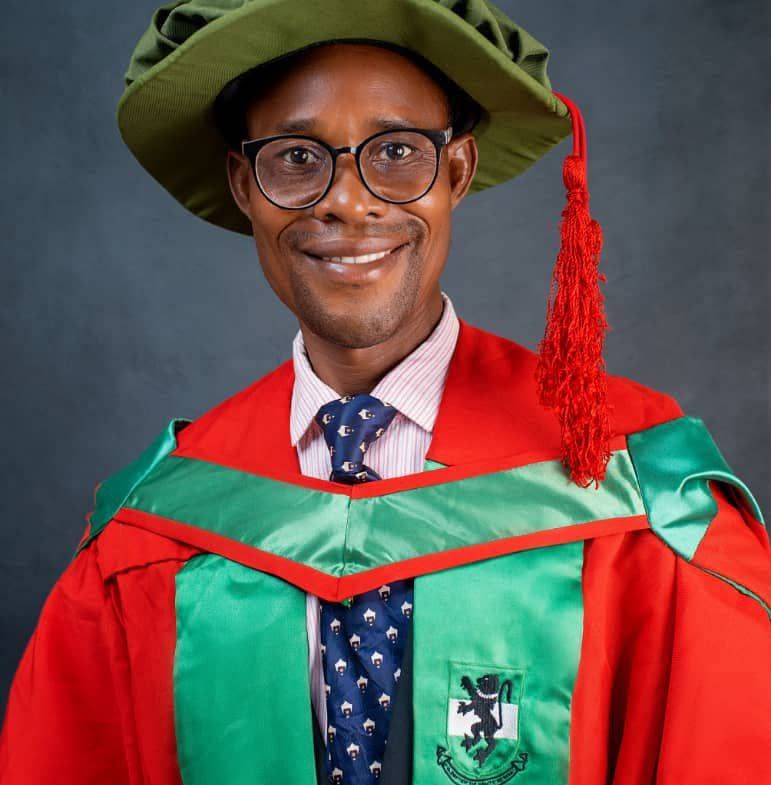
Dr. Simon Ugochukwu Nwankwo, ANPR
Research interests: Media ethics, strategic communication, journalism studies

Prof. Jonathan E. Aliede
Research interests: Public relations, development communication, media policy
Prof. Kenneth Adibe Nwafor
Research interests: African media studies, research methods, digital communication
- Provide robust academic and professional training in mass communication.
- Develop graduates with analytical depth, practical competence, and ethical maturity.
- Promote research that advances communication knowledge, policy, and African development.
- Support industry engagement through practical media training and professional collaboration.
- Contribute to national development through communication-driven public service and innovation.
The department believes communication education should integrate theory, ethics, creativity, technological fluency, and social relevance. Students are therefore trained not only to work in media organisations, but also to think critically about power, representation, policy, culture, and development in a rapidly transforming society.